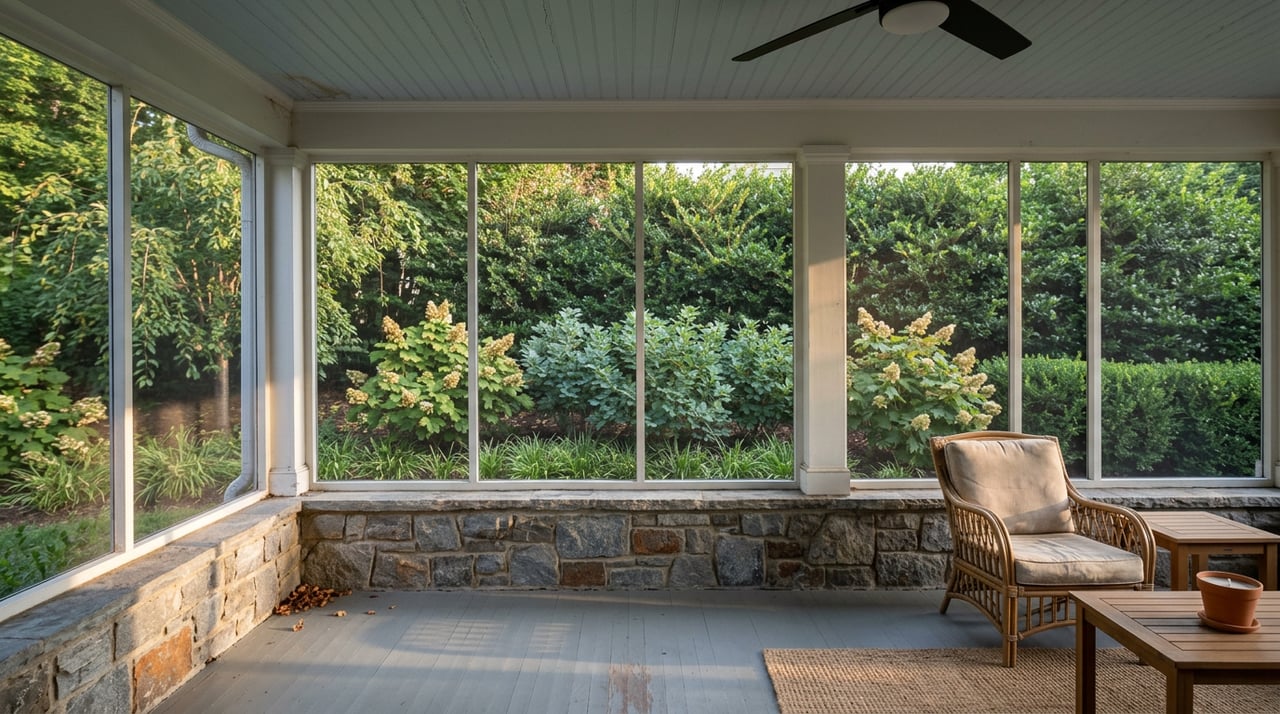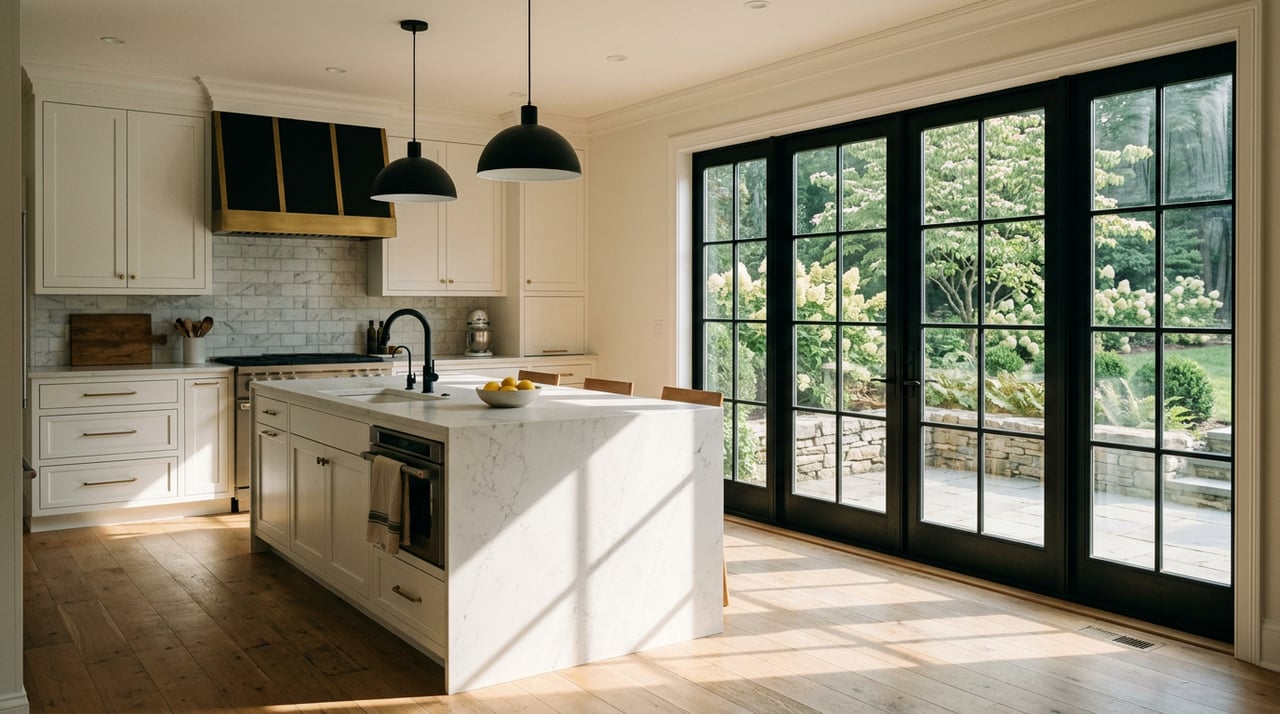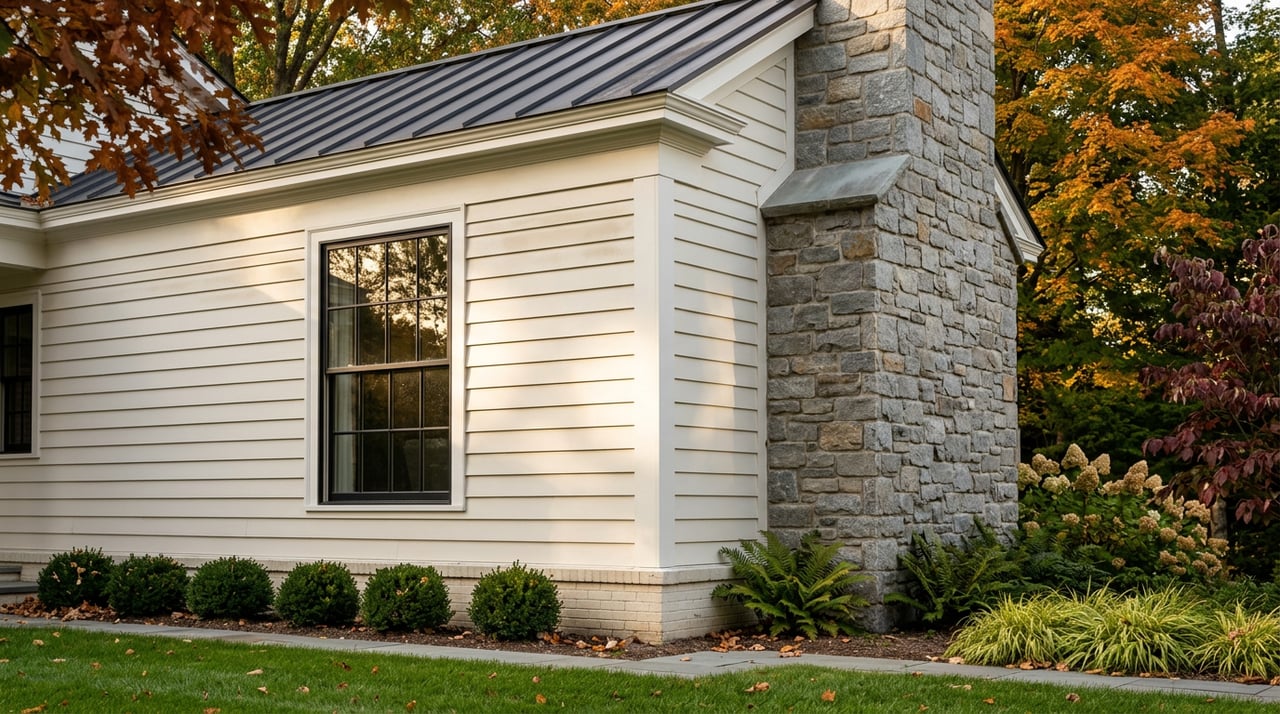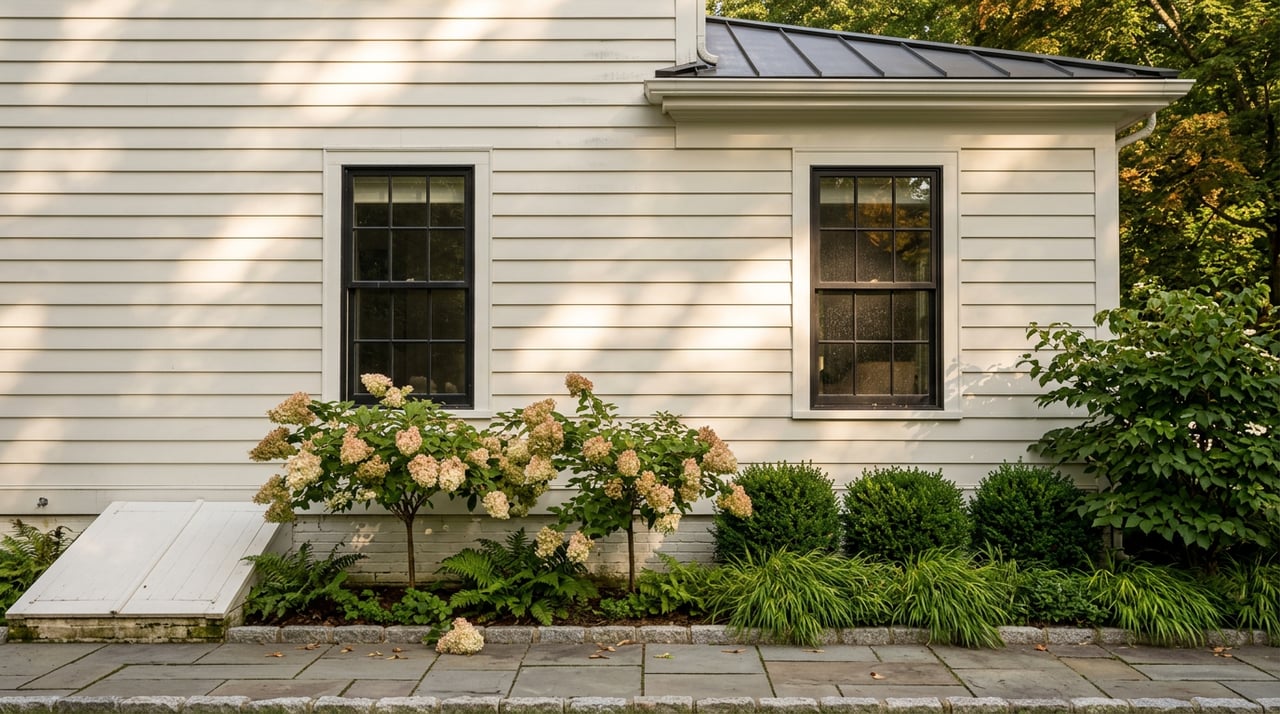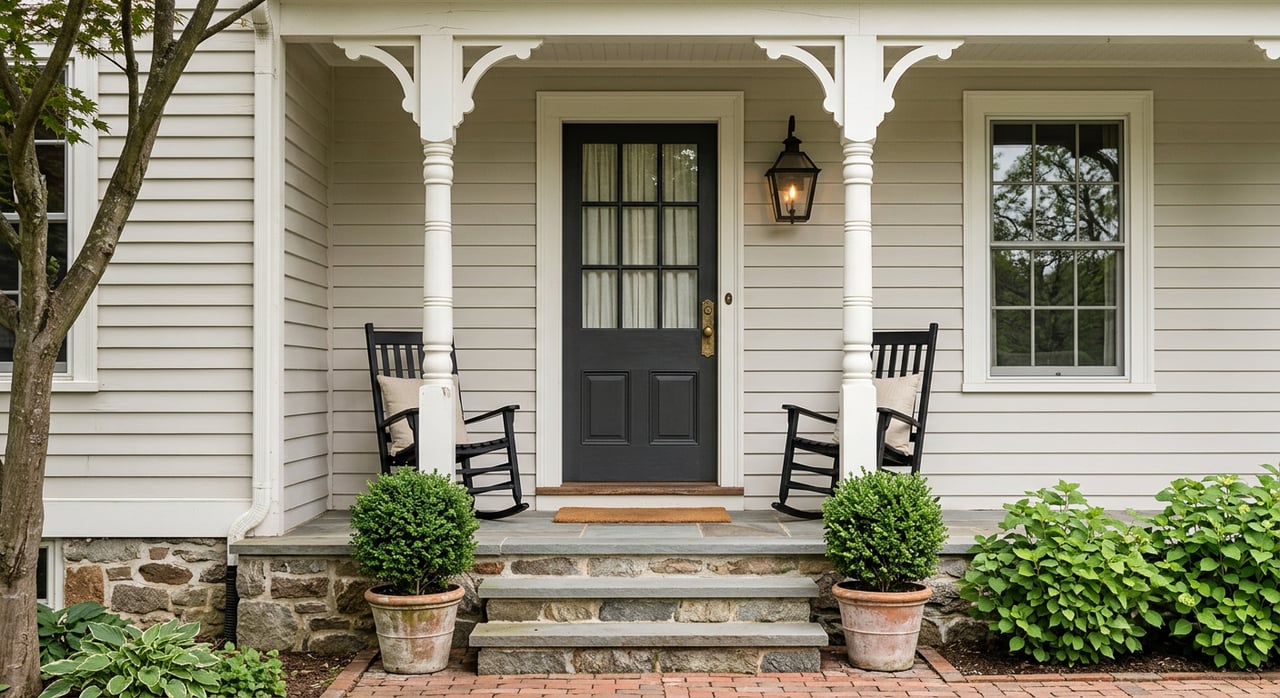
If you love wraparound porches, wood shingles, and tree-lined greens, Katonah might be your perfect match. Buying a character home is exciting, but it can also feel complex once you factor in inspections, historic rules, and upgrade choices. In this guide, you will learn how to recognize Katonah’s hallmark styles, what to check before you offer, and how to plan updates that respect history while improving comfort. Let’s dive in.
Why Katonah’s homes stand out
Katonah’s residential core is a designated historic district on the National Register of Historic Places, listed in 1983. Much of today’s village reflects a late-19th-century resettlement when buildings were moved and new homes were built after a community-wide plan around 1895. The Olmsted Brothers helped shape the layout with broad streets and landscaped greens that still frame the neighborhood feel.
Many houses date from about 1840 to 1910, with a large share from 1896 to 1910. You will see period materials like painted clapboard or shingle siding, wood windows, and masonry chimneys that give these homes their signature look. Those same features often guide maintenance and upgrade decisions.
If a property sits inside the Katonah Village Historic District, exterior changes are reviewed by the local advisory commission under the Town of Bedford’s historic preservation process. Assume exterior work may require an application and review. It is smart to confirm procedures and timelines with Town Planning and Building early.
Architectural styles you’ll see
Katonah offers a concentrated mix of late-19th and early-20th-century homes. Here is how to spot common styles and what that means for you as a buyer.
Queen Anne and Victorian
- Visual cues: Asymmetrical façades, steep multi-gabled roofs, bay windows, decorative shingles and trim, and wraparound porches. Some include towers or prominent bays.
- Buyer notes: These details create curb appeal but also require steady care. Expect painted wood exteriors, original wood windows, and ornate trim that benefit from periodic maintenance.
Shingle Style
- Visual cues: Continuous wood shingle cladding that often flows from walls to roof, complex rooflines, and an emphasis on volume over ornament.
- Buyer notes: Shingle exteriors are beautiful but need regular inspection for flashing, gutters, and wood condition to keep water out.
Colonial Revival and Dutch Colonial
- Visual cues: Symmetry or classical order, columned porches or porticos, and multi-pane double-hung sash windows. Dutch Colonial examples often show gambrel roofs.
- Buyer notes: The cleaner lines can simplify exterior work, but original wood windows and trim still deserve careful repair rather than quick replacement.
Farmhouse and vernacular
- Visual cues: Simpler gable-front or gable-and-wing plans, full-width porches, and modest decorative details that may reflect Victorian or Colonial Revival updates over time.
- Buyer notes: These homes often evolved with the village and can show a mix of eras. Look for thoughtful updates that keep proportions and materials consistent.
What to check before you offer
Historic district review and permits
If the home is in the historic district, exterior work like siding, window changes visible from the street, major additions, or demolition is usually reviewed by the local commission under Town of Bedford procedures. Ask where the district boundary is and what approvals apply to your scope. Confirm review timelines, required certificates, and how review may affect your schedule and budget.
Home inspection and specialist testing
Start with a full buyer-paid home inspection by a professional experienced with older homes. Plan for specialist inspections when the report raises flags. Common add-ons include an electrical evaluation for knob-and-tube or capacity issues, a chimney and masonry inspection, a roof and flashing review, and a moisture and foundation survey. If the home is not on municipal sewer, consider a septic or sewer scope.
For homes built before 1978, lead-based paint may be present. The EPA’s Renovation, Repair and Painting rule applies if you plan to disturb paint. Asbestos can occur in some floor tiles, pipe insulation, or vermiculite attic insulation. Arrange professional testing when materials are suspect, and budget for safe abatement or containment when needed.
Systems and site issues to expect
- Heating: Older Katonah homes often have boilers and hydronic systems. Confirm age, service history, and whether the property uses gas or oil. If there is oil heat history, ask for records of tank removal or testing and check for evidence of any buried tanks.
- Foundations and drainage: Many homes have stone or brick foundations. Proper grading, gutters, and downspouts matter. Have your inspector assess any signs of water intrusion, sump operation, and drainage.
- Windows and envelope: Original wood windows are character-defining and often repairable. The National Park Service’s guidance favors repairing original windows when feasible and pairing with storm windows for efficiency.
Insurance and lending basics
Insurance companies may restrict or condition coverage for active knob-and-tube wiring, leaking or unprotected oil tanks, or severely deteriorated roofs. Contact insurers early to understand underwriting for an older home in the condition you are buying. Lenders may require major hazards or safety issues to be addressed before closing. Expect appraisals and conditions to vary by loan type and property condition.
Tax incentives and limits
Federal and New York State historic rehabilitation tax credits generally apply to certified historic properties used for income-producing purposes. Owner-occupied single-family homes rarely qualify for federal rehabilitation credits. If you plan income-producing rehabilitation, review the State Historic Preservation Office and National Park Service materials to understand certification and scope requirements.
Smart update priorities for character homes
When you prioritize the right work in the right order, you protect historic fabric and improve comfort without overspending.
- Safety first
- Electrical: Have a licensed electrician evaluate any knob-and-tube, undersized service, or improvised splices. Correct unsafe conditions before cosmetic work.
- Heating and hot water: Confirm boiler and flue safety through inspections. Repair venting or chimney issues promptly.
- Oil tanks: If there is any oil use history, verify decommissioning records or test for buried tanks.
- Keep water out
- Roof and flashings: Repair leaks, update flashing, and clean or repair gutters and downspouts.
- Foundations and drainage: Address grading, perimeter drainage, and cellar seepage to prevent damage.
- Improve the envelope with care
- Air sealing and attic insulation are usually the most cost-effective first steps and can be minimally invasive.
- Repair and weather-strip original wood windows where feasible. Pair with interior or exterior storm windows to boost performance while preserving character.
- Upgrade systems to match your lifestyle
- Electrical service and panel upgrades create capacity for modern loads.
- If replacing HVAC, consider efficient systems that limit exterior changes and preserve historic details.
- Handle hazards correctly
- Plan lead-safe practices for any paint disturbance in pre-1978 homes.
- Test suspect materials for asbestos and use licensed professionals for any required abatement.
Buyer checklist: questions and next steps
Use this quick list to organize your due diligence.
Questions for the seller or listing agent
- Is the property located inside the Katonah Village Historic District, and what exterior work has required review in the past?
- What is the heating fuel history, and are there records for any oil tank removal or testing?
- Has the electrical system been fully upgraded, or is any knob-and-tube still active?
- Are there prior reports or records for lead, asbestos, or other environmental work?
- What maintenance has been done on the roof, gutters, and foundation in the last 10 years?
Inspection add-ons to consider
- Licensed electrician evaluation for legacy wiring, panel capacity, and grounding.
- Chimney and masonry inspection with flue sweep if fireplaces or boilers vent to a chimney.
- Roof and attic survey for past leaks, ventilation, and insulation.
- Lead-based paint testing for pre-1978 homes.
- Asbestos sampling for suspect materials and an oil-tank scan or test if oil use is likely.
- Sewer or septic camera if not on municipal sewer and wood-destroying insect inspection when older framing is present.
Next steps in order
- Confirm historic review and permit requirements with Town Planning and Building.
- Schedule a full home inspection and add specialist tests based on findings.
- Call insurance providers early to confirm insurability and any conditions for coverage.
- If you plan renovations, review National Park Service guidance on energy and windows, and explore State or federal tax-credit programs if your project may qualify for income-producing use.
Local help and guidance
- Town of Bedford Historic Building Preservation resources outline local review steps, contacts, and quick links to state and national preservation guidance.
- The National Park Service’s Technical Preservation Services offers practical briefs on energy efficiency and repairing historic wood windows.
- The EPA provides homeowner guidance on lead safety and asbestos, including the Renovation, Repair and Painting rule for pre-1978 homes.
- InterNACHI and NFPA offer context on legacy wiring and electrical safety that can inform your inspection plan.
Ready to find your historic home?
You deserve the charm you love and the practicality you need. With deep local knowledge, skilled negotiation, and a trusted vendor network, our boutique team helps you evaluate historic homes with clear eyes and a calm plan. If you are considering Katonah, we will guide you through inspections, historic review, and smart updates so you can buy with confidence. Connect with Aurora Banaszek to schedule a white-glove consultation.
FAQs
In Katonah’s historic district, do I need approval to replace windows?
- Exterior changes visible from the street, including many window replacements, typically require local historic review under Town of Bedford procedures. Confirm scope and timelines before you start.
For a pre-1910 Katonah house, which inspections are most important?
- Begin with a full home inspection, then add an electrical evaluation, chimney review, roof and flashing assessment, moisture and foundation survey, and lead or asbestos testing where materials or age indicate risk.
How can I improve energy efficiency without losing historic character?
- Prioritize air sealing and attic insulation first, then repair and weather-strip original wood windows and add storm windows. These steps usually deliver strong gains with minimal impact.
Will knob-and-tube wiring affect my ability to get insurance?
- Some insurers restrict coverage or require remediation for active knob-and-tube. Contact providers early and be ready to share electrician reports or certificates after repairs.
Do historic tax credits apply to an owner-occupied Katonah home?
- Federal and New York State rehabilitation credits generally target certified historic properties used for income-producing purposes, so most owner-occupied homes do not qualify.
What should I ask about oil heat and tanks when buying in Katonah?
- Request the heating fuel history, proof of any tank removal or testing, and documentation of service records. If oil use is likely, schedule an oil-tank sweep or test as part of due diligence.