If you are thinking about buying village commercial property in Pleasantville, the appeal is easy to see. You are looking at a small, service-oriented market with commuter access, an established downtown pattern, and property types that can support storefront income, office tenants, and in some cases upper-level residential use. The key is knowing that in Pleasantville, value is closely tied to zoning fit, parking reality, and a tenant mix that matches the village setting. Let’s dive in.
Why Pleasantville Stands Out
Pleasantville is a compact Westchester village with a strong local economic profile. The U.S. Census Bureau estimates 7,351 residents and 2,714 households as of July 1, 2024, with a median household income of $136,406 and $173.1 million in retail sales in 2022.
That matters if you are evaluating a small commercial investment. Rather than a large-format retail market, Pleasantville is better understood as a village-scale business environment shaped by daily needs, local services, and downtown activity.
The village also benefits from regional access. Pleasantville is about 31 miles north of Grand Central Terminal, and the Metro-North station on the Harlem Line helps support foot traffic and commuter convenience.
How the Village Layout Supports Commercial Use
In Pleasantville, location is not just about an address. It is also about how the street network and business districts work together.
The local chamber describes Bedford Road as a connector between the Central Business District and the Old Village business district, with shopping, dining, and personal service businesses along the corridor. For you as an investor, that points to a market where pedestrian-oriented, small-format spaces often make more sense than larger, auto-focused commercial properties.
This is one reason village commercial investing here can be attractive. A well-located property may benefit from repeat local traffic, commuter visibility, and demand from practical, low-impact businesses that fit the village character.
What Property Types Make Sense
Pleasantville’s zoning code includes several business districts, including Central Business A-1, Central Business A-2, Peripheral Business B, B-1, B-2, and an M-1 light manufacturing district. If you are looking at a storefront, office building, or mixed-use property, the most relevant opportunities are usually in the central and peripheral business districts.
Central Business A-1
A-1 is often the clearest fit for a classic village mixed-use asset. The district allows retail stores, banks, offices, and personal-service uses.
It also supports upper-level residential use in mixed-use buildings, which can be important if you want income from both commercial and residential space. Ground-floor residential use is more limited and may require special conditions and a special permit.
Central Business A-2
A-2 also allows a small-scale business mix. That includes retail, offices, personal-service stores, laundry pickup and cleaning outlets, and small printing establishments.
If you are underwriting a property in this district, pay attention to operating-hour limits for retail uses. That can affect how you evaluate tenant fit and long-term use flexibility.
Peripheral Business Districts
The peripheral districts can widen your options. The B district allows retail, offices, personal services, theaters, taverns, funeral parlors, laundries, parking lots and garages, rail, bus and taxi stations, and restaurants by special permit.
The B-2 district permits a similar small-scale mix and allows restaurants by right. B-1 exists as its own district, so you should verify the exact parcel zoning rather than assume a neighboring property has the same rules.
Why Mixed-Use Can Be Appealing
For many small investors, a mixed-use building is one of the most interesting property types in Pleasantville. You may have a ground-floor commercial tenant and upper-level apartments, which can create multiple income streams under one roof.
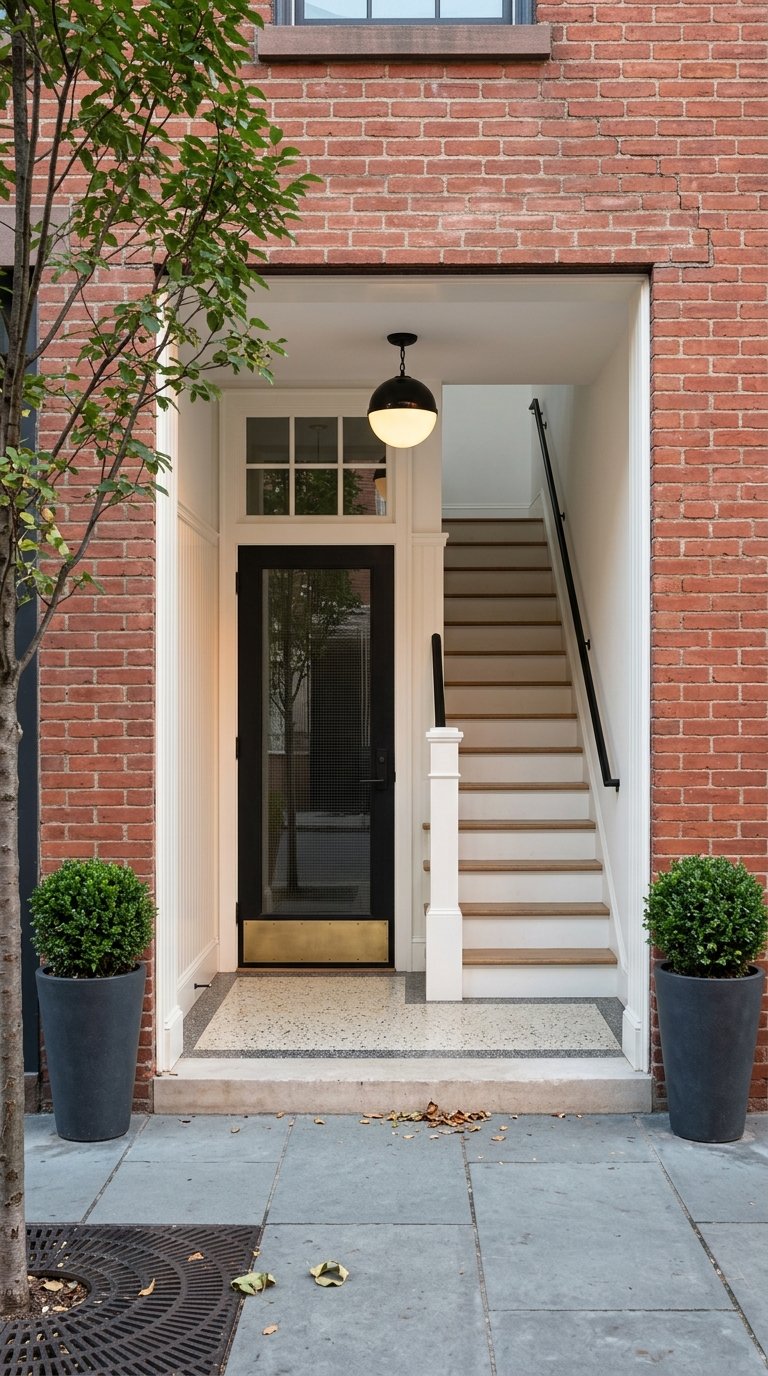
That said, mixed-use is not automatic just because a building looks the part. The village code generally expects residential uses above the ground floor in business districts, requires a separate residential entrance or common lobby, and ties occupancy to building-code compliance.
In practical terms, that means your investment decision should focus on what is actually permitted and functional today, not just on what seems possible at first glance.
Parking Can Make or Break the Deal
In Pleasantville, parking is not a side issue. It is a core part of commercial underwriting.
The village created a Central Business Parking overlay because off-street parking is often difficult in the densest part of downtown. Within that overlay, parking may be waived for street-level retail and service uses.
The code also allows joint use of parking for multiple uses on the same or contiguous lots, and off-site spaces may be allowed within 750 feet in approved cases. Mixed-use properties must still provide at least one parking space per dwelling unit.
For you, this means a property that looks appealing on paper may perform very differently depending on how parking is handled. A smart investment review should test the parking plan early, not after contract.
Tenant Mix Matters More Than You Think
The strongest tenant mix in Pleasantville is usually village-appropriate, convenience-oriented, and low-impact. The zoning code supports that idea by allowing uses such as retail, banks, offices, personal services, laundries and cleaners, small printing, and selected restaurant uses in certain districts.
The code also limits uses that create odor, dust, vibration, smoke, glare, or similar impacts. That helps reinforce a pedestrian-scaled downtown environment and can shape the kind of businesses that perform best over time.
Tenants That Often Fit Well
If you are evaluating a small commercial or mixed-use property, these tenant categories are often the most logical fit based on the code:
- Street-level retail
- Bank uses
- Professional or administrative offices
- Personal-service businesses such as salons, barber shops, or tailoring
- Laundry pickup and cleaning outlets in districts where allowed
- Restaurants in districts where permitted or approved
Restaurants deserve extra care during underwriting. In Pleasantville, restaurant rules vary by district, and fast-food uses face additional distance-based restrictions from other fast-food uses, residences, churches, and certain intersections.
Lease Structure Should Match the Property
Once you have identified a likely tenant type, the next question is how the lease should be structured. This can have a major effect on your real return.
Standard commercial lease structures include gross, modified gross, net, and triple-net leases. In general, the difference comes down to how operating expenses, taxes, insurance, maintenance, and other costs are divided between landlord and tenant.
If you are buying a small village building, the right lease structure often depends on the tenant type, the age and condition of the building, and how much improvement work is needed. The work letter is also important because it outlines landlord improvement obligations for tenant buildout.
For a buyer, this is where careful review matters. Rent alone does not tell the full story if you are also responsible for significant building expenses or tenant improvements.
Due Diligence Steps Before You Buy
Pleasantville is a code-sensitive market, so commercial due diligence should be detailed and practical. Before you commit, you want to know not just what the building is, but what it can legally support.
Start With the Building Department
The Pleasantville Building Department is the first practical stop for a commercial buyer or tenant. The department oversees building construction, permits, site inspections, and final certificates of occupancy.
According to the village, the building inspector first identifies the zoning district and permitted uses, then the applicant moves through a preliminary zoning compliance review and submits a site plan. For commercial construction and renovation work, stamped plans from a New York State licensed architect or professional engineer are required.
Verify Approvals Early
Some uses cannot move forward without Planning Commission approval before a building permit is issued. That means site plan review and special permits are not minor details. They are part of the deal itself.
If a property only works financially with a specific future use, you should confirm the approval path before you get too far along.
Use a Clear Checklist
A small commercial acquisition in Pleasantville should usually include these early checks:
- Confirm the exact zoning district and permitted use
- Review parking requirements and any possible overlay, shared parking, or off-site parking options
- Order title, survey, zoning, and environmental review
- Evaluate building condition, encroachments, liens, and utility service
- Consider a Phase I Environmental Site Assessment as part of standard due diligence
- Match the lease form and work letter to the likely tenant and improvement scope
These steps can help you avoid buying a property that looks flexible but is actually limited by use, layout, approvals, or parking.
What Smart Investors Focus On
In Pleasantville, commercial investing is often less about chasing scale and more about getting the fundamentals right. A smaller building with a clean zoning fit, realistic parking plan, and tenant mix that matches the village can be more durable than a property that depends on an aggressive repositioning story.
That is especially true in a downtown setting where frontage, use compatibility, and approvals can directly affect leasing and resale. The most attractive opportunities often come from understanding how the village really works at the parcel level.
If you are considering a storefront, office asset, or mixed-use building in Pleasantville, local insight matters. Working through zoning, parking, lease structure, and due diligence early can help you buy with more confidence and fewer surprises.
If you want guidance on Pleasantville commercial and mixed-use opportunities in Northern Westchester, Aurora Banaszek offers white-glove, locally informed support built around careful analysis and hands-on service.
FAQs
What makes Pleasantville commercial property attractive to small investors?
- Pleasantville offers a village-scale market with commuter rail access, an established downtown corridor, a relatively high local income base, and zoning that supports storefront, office, personal-service, and some mixed-use property types.
What zoning districts matter for Pleasantville village commercial property?
- The most relevant districts are usually Central Business A-1, Central Business A-2, and the Peripheral Business districts B, B-1, and B-2, because permitted uses vary by district and parcel-level verification is important.
Can you have apartments above commercial space in Pleasantville?
- In some business districts, yes. The code generally expects residential uses above the ground floor, with separate access requirements and building-code compliance, while ground-floor residential use is more limited.
How important is parking for Pleasantville commercial investing?
- Parking is a major underwriting factor because some downtown properties may benefit from overlay rules, shared parking, or approved off-site parking, while mixed-use properties still need at least one parking space per dwelling unit.
What tenant types fit Pleasantville village commercial properties best?
- The strongest fit is usually small-scale, low-impact uses such as retail, banks, offices, personal services, laundry-related services, and in some districts restaurants, depending on zoning and approvals.
What due diligence should you do before buying Pleasantville commercial property?
- You should confirm zoning and permitted use, review parking, check approvals, order title and survey work, assess environmental conditions, and evaluate lease structure and improvement obligations before closing.