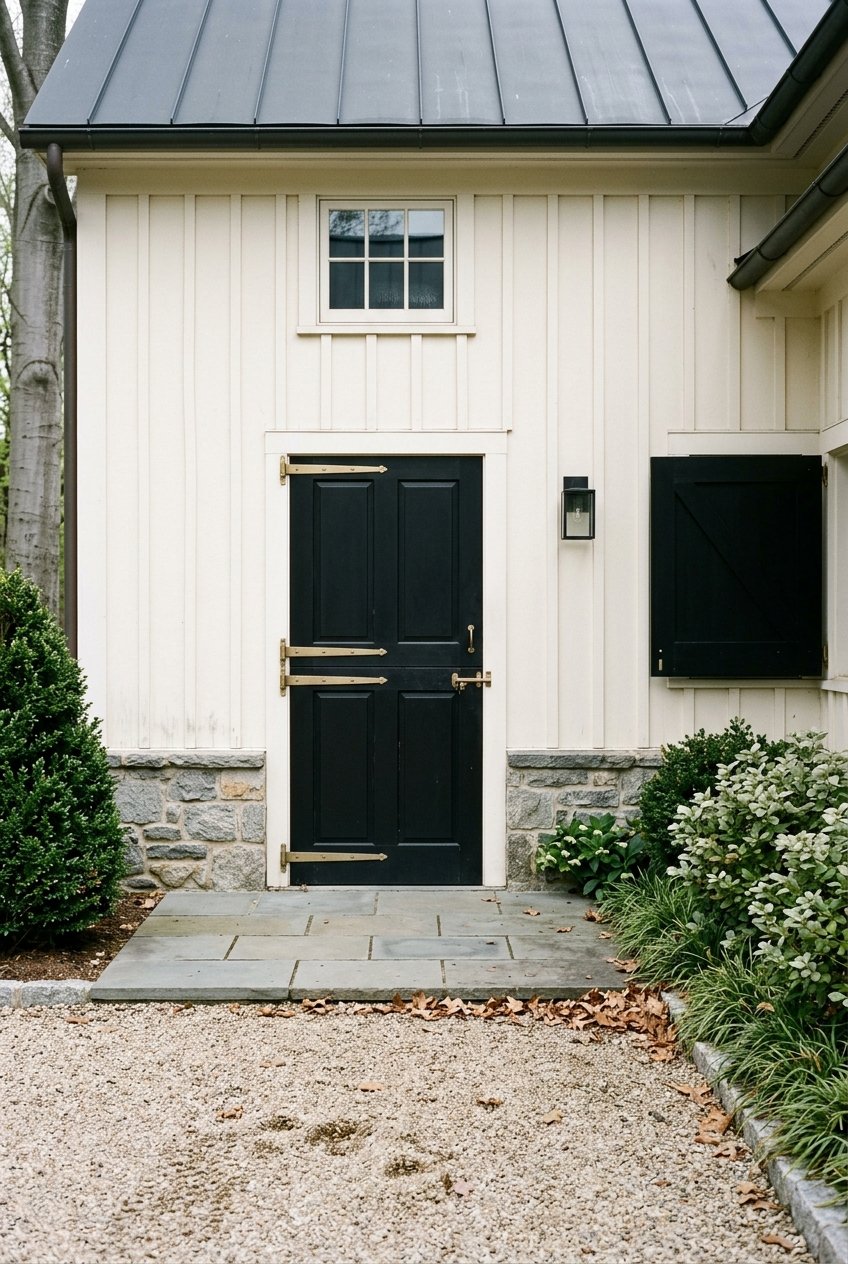
If you picture Bedford as just another Westchester town, you are missing one of its defining features. Horse life here is not a niche hobby. It is woven into the landscape, the land use, and the way many buyers experience the community. If you are curious about owning a horse property, buying near the trails, or simply understanding what makes Bedford unique, this guide will help you see how the equestrian lifestyle really works here. Let’s dive in.
Why Bedford stands out for equestrians
Bedford’s horse culture has deep roots. According to the Town of Bedford, residents have maintained an equestrian lifestyle for more than a century, and the local trail network traces back to 1916.
That history still shapes the town today. Bedford is made up of Bedford Village, Bedford Hills, and Katonah, and its equestrian identity is part of the broader suburban-rural pattern rather than being limited to one farm area. You see that influence in the countryside, historic properties, open land, and trail connections across town.
A major reason Bedford stands apart is the Bedford Riding Lanes Association, often called BRLA. It maintains a private, membership-based system of more than 100 linear miles of riding lanes that run through pastures, farms, woods, backyards, and dirt roads.
That network does more than support riding. The town says it also helps preserve Bedford’s rural character, which is one reason horse properties here often appeal to buyers who value open space and a strong sense of place.
What the equestrian lifestyle looks like
In Bedford, horse life can take many forms. Some residents keep horses at home on private property, while others board at local barns and focus on lessons, training, or trail access.
The town also points to a broader equestrian ecosystem. In addition to riding and showing, local organizations include therapy- and rescue-related nonprofits such as Access Equestrian and Endeavor Therapeutic Horsemanship.
That variety matters if you are exploring the lifestyle for the first time. Bedford is not only for high-level competitors. It can also suit riders who want a more relaxed connection to horses, trails, and open land.
Bedford barns and riding options
One of Bedford’s biggest strengths is range. The town notes that local barns span hunter-jumper, dressage, eventing, simple board, indoor rings, Grand Prix courses, and open fields.
Sunnyfield Farm is a good example of Bedford’s large-scale equestrian presence. The town describes it as a 230-acre property with several barns for lessons and competitive training.
Other barns show a different side of the market. Coker Farm reports that it sits on about 104 acres and focuses on hunter-jumper training and clinics, while Courtyard Farm has restored a historic Bedford property into a modern hunter-jumper show stable.
Courtyard Farm also notes that the BRLA trail system runs through the property and that most of the land is protected by a conservation easement. That is a useful reminder that in Bedford, riding access, property character, and land restrictions often go hand in hand.
What to look for in a horse property
If you want to keep horses on your own property, acreage is only the starting point. Bedford’s zoning code allows horses as an accessory use only on conforming lots in the R-2A and R-4A residence districts.
The code requires two acres for the first horse and one additional acre for each horse after that. That means a parcel may look promising online but still fall short once you apply the actual local rules.
Site layout is just as important as lot size. Barns and manure storage must be at least 50 feet from each property line and 150 feet from other existing residences, while fences, exercise yards, and pasture land require a five-foot setback.
For buyers, that creates a practical reality. A property can have enough acreage on paper but still be difficult to use if wetlands, setbacks, or the buildable envelope limit where structures and paddocks can go.
Which Bedford properties work best
In practice, a few property types tend to stand out for equestrian use in Bedford. These often include:
- Legacy farm parcels with established infrastructure
- Larger estate lots with existing barns and paddocks
- Smaller residential properties that can support a backyard barn
The town’s horse-farms planning materials also note that Bedford includes smaller two- to four-stall backyard barns along BRLA trails. That gives buyers more than one entry point into the lifestyle.
Your priorities may depend on how you plan to ride. Casual riders may focus on trail access and manageable upkeep, while more serious equestrians often place greater value on acreage, indoor riding space, and existing barn infrastructure.
Why indoor space matters
Bedford’s planning materials make a practical point that many first-time buyers miss. Winter conditions can make outdoor rings unsafe or unusable, which is why indoor rings can be such an important feature.
If you ride consistently or train at a higher level, indoor space can affect your daily routine as much as acreage. It may also influence long-term property value and usability for future buyers with equestrian goals.
For that reason, it helps to think beyond the house itself. In Bedford, the barn, paddocks, riding areas, and trail relationship can carry just as much weight as the main residence.
Limits on commercial horse use
If your plans go beyond private horse keeping, Bedford’s rules become more specific. Boarding 10 or more horses requires a Planning Board special permit.
The zoning code also states that commercial livery stables are not permitted, and home-based riding instruction is tightly limited. For buyers considering a business component, this is an area where early due diligence matters.
On the other hand, the code does allow useful barn features such as a sink or half bath, washer and dryer, and wash stall. Those details can make a real difference when you are evaluating an older barn for renovation or everyday use.
Historic barns and preservation issues
Bedford’s equestrian appeal is closely tied to its historic character. The Historic Building Preservation Commission notes that the town has protected early barns and agrarian outbuildings for more than a century.
That charm can come with added review. Some properties outside local historic districts may still require commission review if they are designated Tier 1 or Tier 2.
If you are buying an older farm or estate, it is smart to ask not only what exists today, but also what changes may need approval later. A beautiful historic barn can be an asset, but you want to understand the process before planning updates.
There may also be a financial upside. New York State offers a Historic Barn Rehabilitation Tax Credit equal to 25% of qualified rehabilitation expenses for barns built before 1946, subject to state approval.
Easements and wetlands to check early
Bedford buyers should also pay close attention to conservation easements and wetlands. These are common local factors that can shape what you can and cannot do with a property.
A conservation easement may help preserve the open, scenic feel that makes a farm so appealing. At the same time, it can limit subdivision, expansion, or future site changes.
Wetlands can affect where you place barns, paddocks, driveways, and additions. Bedford’s equine planning materials connect wetlands protection with long-term agricultural and equestrian land preservation, so this is not a minor detail.
When you evaluate a horse property, the best question is not just “How many acres?” It is also “How usable are those acres under Bedford’s local rules and site constraints?”
Tax considerations for some owners
For certain commercial horse operations, tax treatment may also be part of the conversation. The New York Tax Department says land supporting a commercial horse boarding operation may qualify for agricultural assessment if it meets the program’s eligibility requirements.
That program can reduce property taxes on eligible farmland. It will not apply to every buyer or every use case, but for some owners it can be an important part of the financial picture.
As with zoning, the details matter. The intended use of the property should be reviewed carefully before you assume any future tax benefit.
Buying in Bedford with clarity
The equestrian lifestyle in Bedford is special because it blends history, access, and land stewardship in a way that feels authentic to the town. You can find everything from backyard barns near the riding lanes to large properties with training facilities and preserved acreage.
At the same time, horse ownership here is not just about finding pretty land. Zoning, setbacks, wetlands, historic review, easements, and infrastructure all shape whether a property truly fits your goals.
That is why local guidance matters. When you understand both the lifestyle appeal and the practical details, you can make a smarter decision and enjoy everything Bedford has to offer with fewer surprises.
If you are considering a horse property, land purchase, or a move within Northern Westchester, Aurora Banaszek offers white-glove, locally informed guidance to help you navigate Bedford with confidence.
FAQs
What makes Bedford, NY appealing for the equestrian lifestyle?
- Bedford has a horse culture that dates back more than a century, along with a private, membership-based trail network of more than 100 linear miles maintained by the Bedford Riding Lanes Association.
Can you keep horses on residential property in Bedford?
- Yes, but only on conforming lots in the R-2A and R-4A residence districts, with at least two acres for the first horse and one additional acre for each additional horse.
What should you check before buying a horse property in Bedford?
- Review zoning, setbacks, wetlands, conservation easements, historic review requirements, and whether the site layout actually supports barns, paddocks, and riding areas.
Are all large Bedford properties suitable for horses?
- No. A parcel may have enough acreage on paper but still be limited by setbacks, wetlands, or an inefficient buildable area.
Does Bedford have different types of barns and riding facilities?
- Yes. The town points to a mix that includes hunter-jumper, dressage, eventing, simple board, indoor rings, Grand Prix courses, and open fields.
Why are indoor riding rings important in Bedford?
- Bedford’s planning materials note that winter weather can make outdoor rings unsafe or unusable, so indoor space can be an important feature for year-round riding.
Do historic barns in Bedford come with added review?
- They can. Some properties may require review by Bedford’s Historic Building Preservation Commission, including certain designated properties outside local historic districts.
Can conservation easements affect Bedford horse properties?
- Yes. Easements can help preserve open land and rural character, but they may also restrict subdivision, expansion, or future site changes.