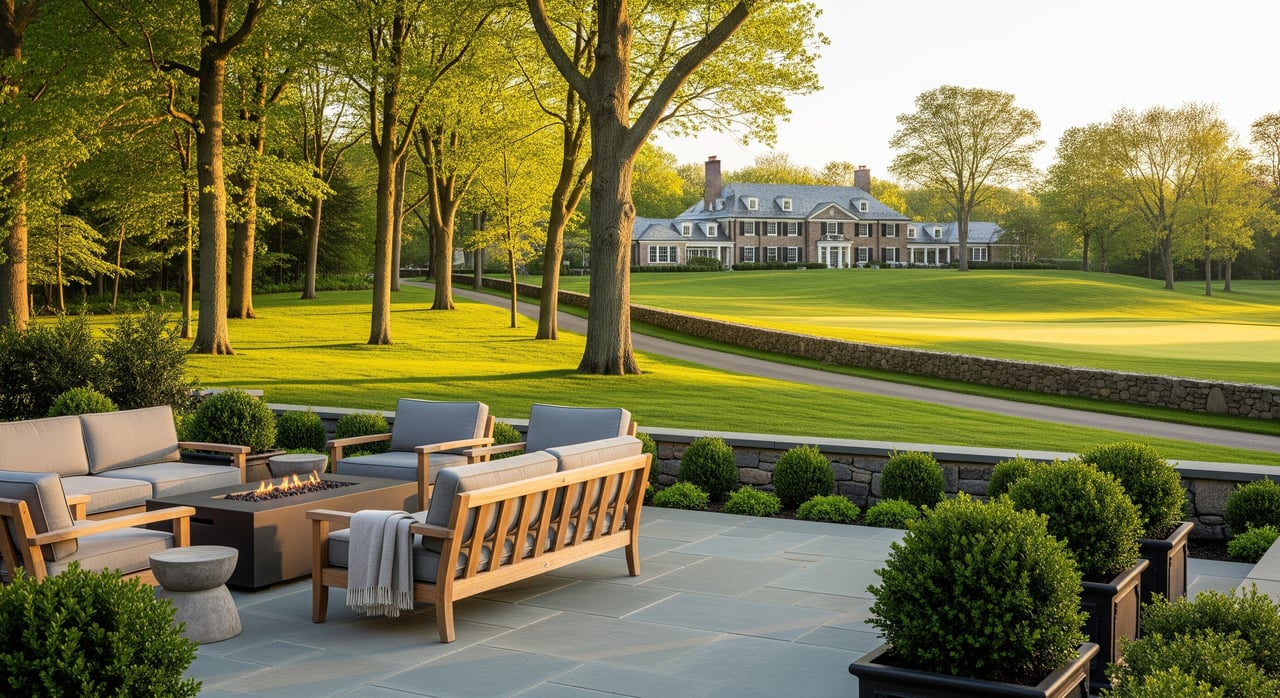
Craving fresh air, wooded trails, and weekend sports right in your backyard? In Bedford, you can step from your driveway to a trailhead, head to a pool or court after work, or spend a crisp fall morning riding under stone walls and maples. If you are considering a move, it helps to understand how parks, trails, clubs, and even local zoning shape daily life and property choices here. In this guide, you will learn how outdoor access works across Bedford’s hamlets, what to consider if you ride, and how private clubs fit into family routines. Let’s dive in.
Why Bedford’s outdoors stand out
Bedford sits in northern Westchester with three well-known hamlets: Bedford Village, Bedford Hills, and Katonah. The landscape mixes rolling hills, wooded parcels, and compact village centers. That balance gives you privacy at home and easy access to parks and programs.
Commuters appreciate Bedford’s location and the Metro-North Harlem Line. You can catch trains from the stations in Katonah and Bedford Hills, then come home to trails, ball fields, and club amenities that make weeknights and weekends feel restorative.
Four true seasons shape what you do outside. Spring and fall are ideal for hiking and birding. Summer brings pool time and long trail days. Winter offers cross-country skiing and snowshoeing where conditions allow, plus year-round stable riding where trails are open and safe.
Parks and preserves overview
Bedford residents benefit from a range of open spaces. Each type supports a different outdoor routine and offers a different experience.
County reservations and regional parks
Large county reservations and regional parks serve as the area’s signature open spaces. Expect marked loop trails, varied terrain, and posted maps at major trailheads. These parks are favorites for weekend hikes and longer outings. You will often find family-friendly routes near main lots and more challenging loops deeper in the system.
Town parks and village greens
Smaller municipal parks and greens anchor the hamlet centers. These are the go-to spots for playground time, pickup games, and quick afternoon walks with a stroller or a dog on leash where allowed. For many families, these parks support after-school routines without a long drive.
Land trust and private preserves
State and nonprofit land trusts protect important natural areas. Trails here often focus on conservation and habitat, with birding opportunities and seasonal wildflowers. Some preserves share space with working farms, which adds a scenic, educational layer to a weekend walk.
Greenways and riparian corridors
Linear trails along creeks and rivers create easy options for short walks, dog exercise, or quiet fishing spots where permitted. These corridors also help wildlife move through the landscape and maintain the rural feel that many buyers value.
Smart access tips for parks and trails
- Check parking and seasonal gate closures before you go. Some areas reduce motor access at certain times of year.
- Follow posted leash rules for pets. Rules vary by park and preserve.
- Look for trail difficulty at the kiosk. Loop options and elevation changes help you pick family-friendly routes.
- Confirm any permits or registration requirements for parking or special uses.
- Ask about ADA access if accessibility is a priority. Facilities vary across parks.
Trails for every season
Hiking and running
Trail networks range from gentle loops to longer routes with elevation. If you are new to the area, start with well-marked loops near main trailheads. Bring a map photo on your phone and note closing times at the kiosk. As you learn the terrain, you can add mileage and explore connector trails.
Biking and winter use
Some trails allow multi-use access, which can include mountain biking in dry seasons and cross-country skiing or snowshoeing in winter. Confirm allowed uses at each trailhead and adjust plans based on conditions. After snowfall, packed tracks can make family skiing easier on wide corridors.
Family planning basics
- Bring layers and extra water. Weather can shift quickly in wooded areas.
- Start with shorter loops if you have toddlers or new hikers.
- Park at main lots when possible. They usually offer clearer signage and better cell coverage.
- Keep a traction kit in your car during winter for both boots and tires.
Equestrian life in Bedford
Bedford and its neighbors have a long equestrian tradition. You will see private barns, boarding stables, and historic bridle paths in some areas. For many buyers, boarding at a local facility or keeping horses at home is a key lifestyle goal.
What horse-friendly properties need
Horse properties rely on more than acreage. Usable land, proper drainage, and safe access matter. Look for room to lay out fenced pasture, a ring with quality footing, and clear space for trailer parking. Barn utilities like water and power are essential. Good manure storage and composting plans keep operations tidy and neighbor-friendly.
Zoning and due diligence
Rules for horse keeping are local. You should confirm the number of animals allowed per acre, stable setbacks, and any permits with the Town of Bedford. If a property has a conservation easement or deed restriction, review it with your attorney and the town before you plan improvements. Solid due diligence protects your budget and timeline.
Buyer checklist for horse properties
- Verify acreage, soil and drainage, and any conservation easements.
- Confirm allowed uses with Town of Bedford Code Enforcement.
- Review barn utilities, pasture layout, and ring footing plans.
- Ask about veterinarians, farriers, hay suppliers, and emergency services.
- Budget for boarding or at-home operating costs, insurance, and maintenance.
Private clubs and organized recreation
Private clubs add another layer to Bedford’s outdoor life. They often bundle amenities like golf, tennis, pools, dining, and youth programs. For many families, a summer swim team or weekend tennis clinic becomes part of the rhythm of life.
Country clubs and golf
Country clubs commonly offer 18-hole golf, practice facilities, racquet sports, pools, and social events. For buyers on smaller lots, a club can function as an extension of home, especially for kids’ programming during school breaks.
Swim and tennis options
Swim and tennis clubs support day-to-day recreation and offer lessons for all ages. Parents often value the predictable schedule and community feel. If you plan to join for summer, start membership conversations early in the year.
Riding clubs and training centers
Riding clubs and private centers offer lessons, schooling shows, clinics, and social events. If you board, look for programs that suit your discipline and goals. Plan trailer access, turnout needs, and arena use around your schedule.
Membership costs and timing
- Clubs may have initiation fees, annual dues, and program fees. Build these costs into your household budget.
- Some clubs maintain waitlists or eligibility requirements. Confirm policies and timing directly with each organization.
- Consider proximity. Short drive times make it easier to use amenities during busy weeks.
Daily life and real estate impact
Access to trails, parks, and clubs influences which homes rise to the top of a buyer’s list. Properties adjacent to preserved land or near major trailheads often appeal to outdoor-focused buyers. Homes with direct trail access or on-site amenities like barns and rings can command attention among niche segments.
On the other hand, high-maintenance features add responsibility. Large lots, barns, and long driveways require year-round care, including snow removal and tree work. Clear conversations about upkeep help you choose a property that fits your budget and time.
Conservation easements limit development but protect rural character. Many buyers see that as a long-term benefit. Always review easements and land trust restrictions with your attorney and the town so you understand what you can and cannot do.
Commuting and hamlet convenience
Bedford’s commuter access is a major plus for outdoor users. You can travel via the Metro-North Harlem Line from the stations in Katonah and Bedford Hills, then return to trail time and club life without a long drive. If your routine includes school pickups, parks near hamlet centers simplify after-school activities.
When you tour homes, map likely routes to parks, preserves, and clubs during peak times. A five-minute difference can decide whether you get to the pool on a Tuesday or save it for the weekend.
Choosing your Bedford fit
For families
- Prioritize short drives to playgrounds, fields, and pools.
- Seek loop trails near main trailheads for younger kids.
- Evaluate parking and lighting for evening activities.
- Ask about youth programs at nearby clubs.
For outdoor athletes
- Look for access to longer trail networks and varied terrain.
- Confirm multi-use policies if you run, bike, or ski.
- Note elevation changes and loop options for training.
- Consider a home with gear storage and a mudroom.
For equestrian owners
- Confirm zoning, setbacks, and permitted animal counts with the town.
- Evaluate land quality, drainage, and trailer access.
- Budget for year-round care and secure vendor support.
- Map bridleways and nearby boarding options that fit your discipline.
How we help you decide
Choosing a Bedford property means balancing outdoor priorities with budget, commute, and upkeep. You deserve clear, practical guidance. Our boutique, white-glove approach focuses on how you live, not just bedroom counts. We help you weigh trail access, club options, and horse-friendly features, then coordinate the due diligence that protects your purchase.
If Bedford is on your list, let’s talk through your outdoor goals and design a search that fits your life. Schedule a private consult with Aurora Banaszek.
FAQs
What is outdoor living like in Bedford, NY?
- You get a mix of large regional parks, local town greens, trail systems for year-round use, and private clubs that support golf, racquet sports, swimming, and riding.
Which Bedford hamlets have train service for commuters?
- Katonah and Bedford Hills have Metro-North Harlem Line stations, which makes it easier to pair a city commute with after-work outdoor time.
How family-friendly are Bedford’s parks and trails?
- Many parks include well-marked loops near main trailheads and town playgrounds, which makes quick outings and after-school visits simple for families.
What should I know before buying a horse property in Bedford?
- Confirm zoning and permitted animal counts with the town, review easements, assess land and drainage, and budget for year-round care, utilities, and maintenance.
Do Bedford-area clubs have waitlists or fees?
- Many private clubs require initiation fees and annual dues, and some maintain waitlists or eligibility policies, so you should contact each club directly to confirm timing and costs.
Are there seasonal trail closures or rules I should plan for?
- Yes. Some parks adjust parking or access seasonally, and leash and multi-use rules vary, so check posted signs at trailheads before you go.
How do outdoor amenities affect Bedford home values?
- Homes close to major preserves, trail networks, or with on-site amenities like barns and rings often attract strong interest from outdoor-focused buyers, while higher upkeep can limit appeal for others.