Dreaming of privacy, acreage, and a custom home in Bedford? If you are eyeing a 2 to 4 acre estate or a larger multi‑acre tract, the path is different than a typical resale. You will balance zoning rules, septic capacity, wetlands limits, and permits before you can build. This guide gives you a clear roadmap so you can move forward with confidence and avoid costly surprises. Let’s dive in.
Why Bedford works for estates
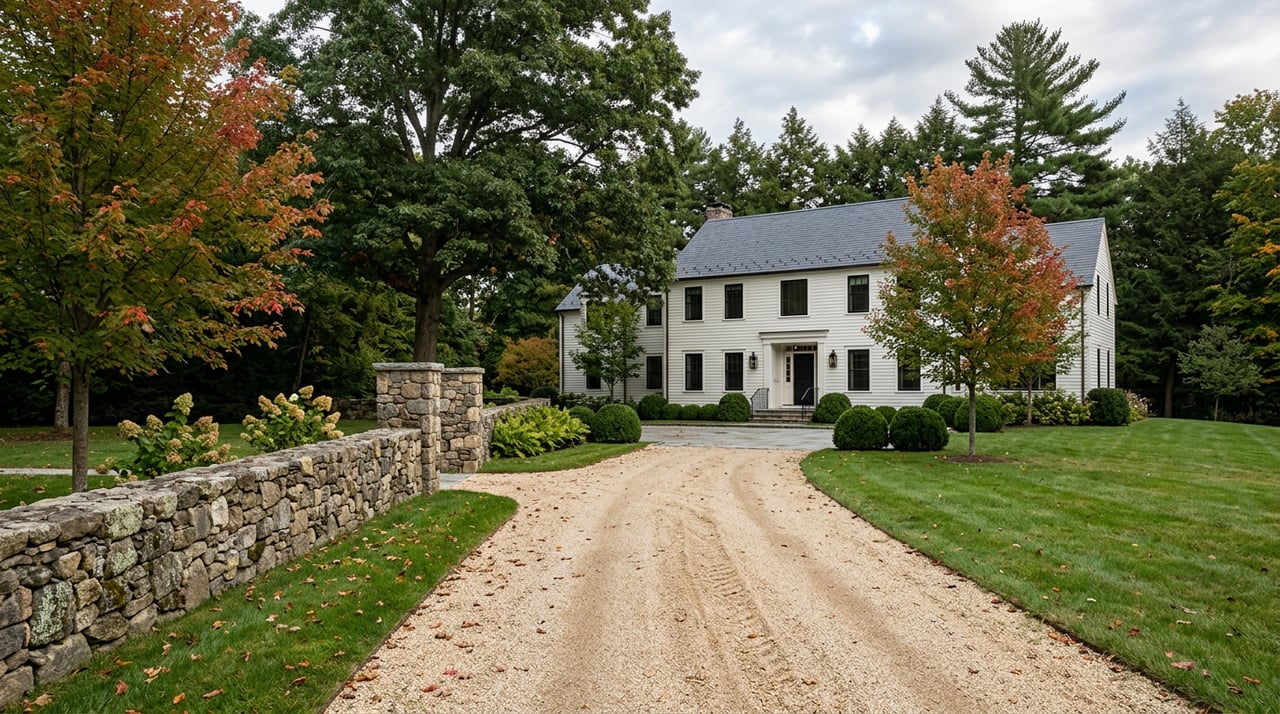
Bedford offers a rare mix of rural feel, refined homes, and access to the hamlets of Bedford Village, Bedford Hills, and Katonah. Multi‑acre lots are common, and many neighborhoods were planned for larger homes on generous parcels. Inventory shifts by season, but you can usually find several 2‑plus acre options at a range of price points. Prices per acre vary based on access, views, wetlands, and existing improvements.
Understand Bedford zoning districts
Bedford’s residential zoning is organized by minimum lot size. You will see districts like Residence Four‑Acre (R‑4A), Residence Two‑Acre (R‑2A), Residence One‑Acre (R‑1A), Residence One‑Half‑Acre (R‑1/2A), and Residence One‑Quarter‑Acre (R‑1/4A). Estate‑scale purchases typically sit in R‑2A and R‑4A. These names signal the intended minimum lot area and guide what you can build.
- Start by confirming a parcel’s district on the Town’s official maps and zoning resources.
- Then review the code section that lists the districts and dimensional rules so you know lot area, frontage, and setbacks early. See the Town code on eCode360 for zoning district basics.
Map your permit pathway
Estate sites often trigger multiple reviews. Pre‑application contact with the Planning Department is smart. Ask what permits may apply and how the boards will sequence reviews.
- Subdivisions and site plans are reviewed by the Planning Board. Standards for frontage, road access, drainage, and conservation options are in the Subdivision Regulations and Design Standards.
- Many applications require multiple submittals, fees, and escrows. The Town posts instructions and timelines on the Planning Board Applications, Forms & Fees page.
Wetlands and buffers
Bedford regulates work in wetlands and buffer areas. Construction, grading, tree removal, driveways, and septic in these zones often need a permit from the Wetlands Control Commission. Order a field delineation early because GIS maps are not precise at the parcel level. Learn more from the Town’s Wetlands Control Commission.
Steep slopes and ridgelines
If your site has slopes of 25 percent or more, you will likely need a steep‑slope permit. Ridgeline areas may also have visual standards that affect materials and height. These rules influence where you place the house and driveway. Review the steep‑slope and ridgeline standards with your engineer before you bid.
Sewer and public utilities
Parts of Bedford Hills and Katonah have seen recent public sewer expansions. Sewer access can change the feasibility of a larger home or a subdivision. Confirm whether a property lies in or near a district using the Town’s Sewer Project Phase I overview and ask staff for the most current maps.
Your due‑diligence checklist
Use this sequence to protect your deposit and verify buildability.
First 48 to 72 hours
- Confirm zoning district, frontage, and any overlays on the official maps.
- Ask Planning and Building for prior site plans, septic records on file, open violations, and whether the parcel is in a sewer district. Use the Planning Board forms and fees page to understand submittal needs.
- If not on sewer, request septic and well records from the Westchester County Department of Health and plan early perc tests. See the County’s septic systems guidance.
Technical investigations
- ALTA or boundary survey. Confirm frontage, easements, and any recorded restrictions that could limit building or subdivision.
- Soils and perc testing. County procedures apply, and wet‑season windows may be required. Expect an engineered septic plan for a new home per County rules. See Westchester DOH septic procedures.
- Wetlands delineation. Hire a qualified wetlands consultant and expect to map buffers in the field. Coordinate with the Town’s Wetlands Control Commission.
- Topography and geotechnical review. Steep slopes, shallow bedrock, and stormwater needs will drive house and driveway placement. Review the Town’s steep‑slope standards to scope the work.
- Flood hazard review. Even high sites can have low‑lying flood areas. Check FEMA’s Flood Map Service Center.
- Utility availability. Confirm electric and gas service with Con Edison and ask about extension costs or capacity. Reference Con Edison’s service territory. Verify public water district coverage with the Town or plan for a private well.
Title and access
- Order a title search to reveal rights of way, shared driveways, or conservation easements. These can permanently limit where and what you build.
- Walk the driveway approach and sight lines. Road access on state or Town roads may need a new curb‑cut permit and specific grades and sight distances per local standards.
Budget items to plan
- Professional fees: survey, civil engineer, septic designer, wetlands consultant, geotechnical engineer, land‑use attorney, architect, arborist, and title attorney.
- Tests and reports: perc tests, deep test pits, wetlands delineation, tree inventories, and geotechnical borings if needed.
- Town fees and escrows: applications, reviews, and potential mitigation. Check the Planning Board applications and fees for current guidance.
Costs and timelines vs a standard resale
Buying land or an estate property often takes longer than a typical single‑family resale. Site engineering, wetlands work, and board reviews add weeks to months. If a subdivision or variance is involved, plan for a multi‑month process with public meetings.
Build these reviews into your offer with clear due‑diligence and permit contingencies. Set realistic checkpoints for septic approval, wetlands permits, and any Planning Board actions. This reduces risk while keeping the deal on track.
Financing land and construction
Financing raw land or a to‑be‑built home differs from financing an existing residence. Lot or raw‑land loans can require higher down payments and shorter terms. Construction loans fund the build in stages and may convert to a permanent mortgage at completion.
Talk to a lender experienced in multi‑acre sites before you write an offer. Ask about minimum down payment, appraisal expectations, and whether site improvements are needed before closing. Confirm if the land can secure the loan prior to construction start.
Build the right team early
A strong team keeps your project moving and protects your investment:
- Local Realtor with estate and land experience
- Land‑use attorney
- Licensed land surveyor
- Civil or site engineer
- Licensed septic designer (per County DOH)
- Wetlands consultant
- Geotechnical engineer if slopes or shallow rock are likely
- Architect for site‑sensitive design
- Arborist or tree consultant
- Title and closing attorney
Make a confident offer
Set a pre‑offer checklist and attach due‑diligence deadlines to your terms. At minimum, confirm zoning and sewer or water district status with the Town, request County septic records, and line up a survey and perc testing window. If steep slopes or wetlands are present, budget time for permits and technical reports.
When you want a calm, white‑glove process, partner with a local advisor who lives this every day. For tailored guidance and an introduction to trusted engineers, attorneys, and consultants, connect with Aurora Banaszek.
FAQs
What zoning applies to 2‑plus acre lots in Bedford?
- Estate‑style parcels are usually in the R‑2A or R‑4A districts, which set minimum lot area, frontage, and setback rules; confirm a property’s district on the Town’s official maps and review zoning district basics.
Do I need a wetlands permit to build in Bedford?
- Work in mapped wetlands or buffers often requires a permit from the Town’s Wetlands Control Commission; order a field delineation early to define limits and plan your layout.
How does septic approval work in Westchester County?
- The County Department of Health oversees perc testing and septic approvals and may require wet‑season testing and an engineered design; see the DOH septic systems guidance.
Is public sewer available in Bedford Hills or Katonah?
- Portions of these hamlets were included in recent sewer expansions; check the Town’s Sewer Project Phase I overview and confirm current district maps with staff.
What if my Bedford lot has steep slopes?
- Disturbance on slopes of 25 percent or more typically needs a steep‑slope permit, and ridgeline areas may have visibility standards; review the steep‑slope rules with your engineer to set timelines and design.
Who reviews subdivisions and site plans in Bedford?
- The Planning Board handles subdivisions and site plans and uses standards in the Subdivision Regulations; applications, fees, and escrow details are on the Town’s forms and fees page.